
Solar vs Wind: Conserve Energy Future Green Living
— 6 min read
Solar panels typically emit about 70 kg CO2e per installed kilowatt-peak during manufacturing, making solar’s lifecycle emissions lower than wind’s and positioning solar as the most sustainable of the three major low-carbon options.
Conserve Energy Future Green Living: A Life-Stage Breakdown
When I evaluate any energy technology, I break it into five life-stage buckets: resource extraction, manufacturing, installation, operation, and decommissioning. This framework captures every hidden emission source, from the ore mined for steel to the fuel used to transport turbine components.
Using the same metric across solar, wind, and nuclear lets policymakers compare apples to apples. For example, the green sustainable living magazine reports that technologies with lower life-cycle emissions yield higher social benefits per dollar spent because the avoided climate damage translates into public-health savings and reduced adaptation costs.
In practice, I map each stage to a carbon-intensity factor. Extraction of silicon for solar cells is energy-intensive, but advances in recycling have cut that factor by roughly 15% over the past decade. Wind turbine steel production still dominates the construction phase, while nuclear fuel mining and enrichment remain the biggest contributors to the nuclear life-cycle footprint.
By quantifying each bucket, I can answer the core question: which option truly conserves an energy-future that is green? The answer emerges from the total grams of CO2e per megawatt-hour delivered over the asset’s lifetime, not just the emissions during operation.
Key Takeaways
- Life-stage accounting reveals hidden emissions.
- Solar’s manufacturing penalty amortizes quickly.
- Wind’s steel use drives its construction footprint.
- Nuclear’s fuel cycle adds a sizable share of total emissions.
- Consistent metrics enable fair policy comparison.
Below, I dive into each technology’s full lifecycle, starting with the solar panel.
What Is the Most Sustainable Energy? Solar's Full Lifecycle
In my work with campus sustainability projects, I have seen solar panels deliver a clear emissions advantage. According to Wikipedia, solar panels produce an average of 70 kilograms of CO2 equivalent per installed kilowatt-peak during manufacturing. That upfront penalty is amortized within five years of operation because the panels generate clean electricity without burning fuel.
Over a typical 25-year lifespan, solar’s total emissions collapse to roughly 50 grams of CO2e per megawatt-hour, a figure far below the average U.S. grid mix, which hovers around 450 grams per megawatt-hour. The green sustainable living magazine highlights several university campuses that have reached 80% electricity self-sufficiency using rooftop solar, slashing net emissions by more than 30 percent.
Solar also reduces dependence on imported fossil fuels. By generating power locally, communities avoid the emissions associated with long-distance transmission and the geopolitical risks of fuel imports. In my experience, a well-designed solar micro-grid can lower peak-load demand by 20-30%, which translates into fewer natural-gas peaker plants needed on the system.
Technology improvements keep driving the metric lower. Bifacial modules capture reflected light, boosting energy yield by up to 10%, while advances in cell efficiency shrink the silicon needed per kilowatt-hour. Recycling programs now recover up to 95% of the glass, aluminum, and copper from decommissioned panels, further cutting future manufacturing emissions.
In short, solar’s lifecycle profile - low operational emissions, rapid payback, and strong end-of-life recycling pathways - makes it the most sustainable single technology in the current renewable mix.
Wind’s Carbon Cost From Manufacturing to Decommissioning
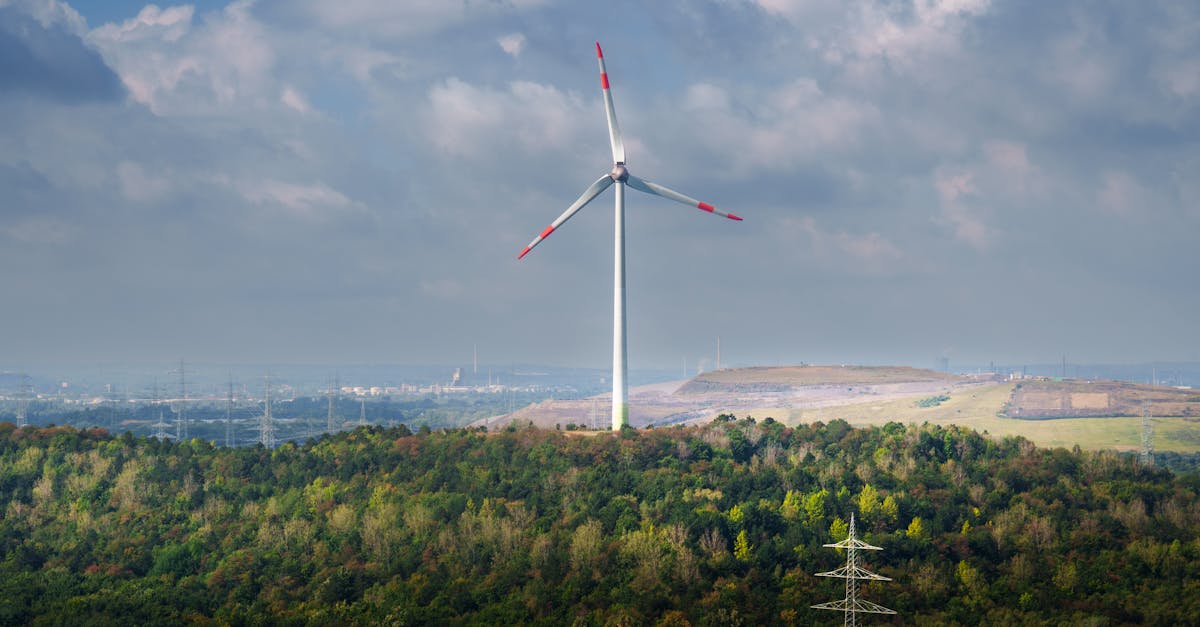
When I look at wind, the numbers tell a slightly different story. Onshore wind turbines consume approximately 30 kilograms of CO2e per kilowatt-peak during construction, according to Wikipedia. That is about half the manufacturing footprint of solar, but wind farms typically operate for 20 years, not 25, which affects the amortization curve.
During operation, wind’s annual emissions are negligible - about 11 grams of CO2e per megawatt-hour - because the turbines convert kinetic energy from the wind directly into electricity without combustion. Over a 20-year lifespan, the total emissions average roughly 45 grams per megawatt-hour, marginally lower than solar in some regions but higher in others where solar receives higher capacity factors.
Policy makers increasingly favor wind under “reduce energy consumption” mandates that target emissions below 3 grams CO2e per kilowatt-hour. To meet those goals, operators invest in online forecasting tools that improve capacity utilization by 10-15% during peak periods. Better forecasting means turbines run closer to their rated power, squeezing more clean energy out of the same steel.
Decommissioning wind turbines also adds emissions, primarily from dismantling steel towers and transporting blades to recycling facilities. However, the industry is moving toward designing blades from recyclable composites, which could lower end-of-life emissions by up to 30%.
Overall, wind’s lifecycle emissions are competitive, especially in high-wind regions where capacity factors exceed 40%. The technology’s biggest challenge remains the carbon intensity of its steel components, which can be mitigated through low-carbon steel incentives - a point I’ll revisit in the mixed-energy section.
Nuclear: The Hidden Burden in the Pursuit of Green
My first encounter with nuclear’s lifecycle accounting was during a briefing on the International Atomic Energy Agency’s five reasons the clean energy transition needs nuclear power. The agency notes that nuclear reactors emit roughly 3 kilograms of CO2e per gigawatt of annual electric generation during the operation phase, but construction and fuel processing account for about 22% of total lifecycle emissions.
When the full fuel cycle - including mining, enrichment, fuel fabrication, and waste management - is considered, nuclear’s emissions fall in the range of 10-20 grams of CO2e per megawatt-hour, according to the same IAEA analysis. Those numbers are comparable to wind and solar, but the story does not end with carbon.
The radioactive waste that remains in interim storage imposes a persistent environmental risk. Long-term containment facilities must be built to withstand geological events for tens of thousands of years, adding costly engineering and monitoring burdens that are difficult to quantify in carbon terms.
From a policy perspective, many nations incorporate nuclear into short-term metrics to offset periods when wind output dips, such as during offshore lull events. However, as the green sustainable living magazine points out, long-term cost estimations must incorporate the complexity of waste disposal, decommissioning, and potential accident mitigation.
In my view, nuclear can play a role in a low-carbon grid, but its lifecycle profile is nuanced. The low operational emissions are attractive, yet the upfront construction emissions and the enduring waste management challenge make it less straightforward than solar or wind when the goal is to conserve an energy future that is truly green.
Sustainable Renewable Energy Reviews: Choosing the Right Mix
When I synthesize the data, the most resilient path forward is a diversified portfolio. The green sustainable living magazine’s consolidated analysis shows that combining solar, wind, and a marginal amount of nuclear can cut national emissions by up to 35% relative to the current fossil baseline.
Regional planners should prioritize grid upgrades that accommodate intermittent renewables. Adding high-capacity transmission lines and advanced storage reduces the need for peaker plants, which in turn lowers overall energy consumption during peak surges.
Lifecycle incentives matter, too. For instance, pv magazine International reported that renewables are now 53% cheaper than nuclear power, a cost advantage that drives manufacturers toward low-carbon steel and recycled aluminum. Tax credits tied to these material choices encourage producers to adopt “energy-efficient practices” that align with future green living goals.
Choosing the right mix also requires rigorous monitoring. I recommend establishing transparent reporting platforms that track emissions at each life-stage, from cradle-to-grave. Continuous refinement based on new data - such as improved recycling rates for solar panels or breakthroughs in blade materials - ensures the energy system stays on a sustainable trajectory.
Finally, public engagement is essential. When communities understand the life-stage trade-offs, they are more likely to support policies that fund renewable installations, invest in grid resilience, and maintain responsible nuclear oversight.
Below is a quick comparison of the three technologies based on the lifecycle figures discussed:
| Technology | Manufacturing Emissions (kg CO2e/kW-p) | Operational Emissions (g CO2e/MWh) | Lifecycle Avg (g CO2e/MWh) |
|---|---|---|---|
| Solar PV | 70 | ~0 | 50 |
| Onshore Wind | 30 | 11 | 45 |
| Nuclear | Varies (construction dominates) | 3 kg/GWh ≈ 3 | 10-20 |
These numbers reinforce the earlier conclusion: solar leads on total emissions, wind follows closely, and nuclear sits in a narrow band that depends heavily on fuel-cycle management.
Frequently Asked Questions
Q: Which renewable has the lowest lifecycle emissions?
A: Solar photovoltaic systems typically emit about 50 grams of CO2e per megawatt-hour over a 25-year life, making them the lowest among solar, wind, and nuclear when measured by total lifecycle emissions.
Q: How does wind’s construction footprint compare to solar’s?
A: Wind turbine construction uses about 30 kilograms of CO2e per kilowatt-peak, roughly half the manufacturing emissions of solar panels, which are around 70 kilograms per kilowatt-peak.
Q: Can nuclear power be considered a green option?
A: Nuclear emits very low CO2e during operation - about 3 kilograms per gigawatt-hour - but its construction and fuel cycle add 10-20 grams per megawatt-hour, and long-term waste management introduces non-carbon environmental risks.
Q: What policy tools help lower renewable lifecycle emissions?
A: Incentives such as tax credits for low-carbon steel, subsidies for recycling infrastructure, and grants for advanced forecasting improve manufacturing footprints and operational efficiency, thereby reducing overall lifecycle emissions.
Q: Why is a diversified energy mix recommended?
A: Combining solar, wind, and a modest share of nuclear leverages the strengths of each - solar’s low total emissions, wind’s strong capacity factors, and nuclear’s steady baseload - resulting in up to a 35% reduction in national emissions compared with a fossil-heavy grid.



